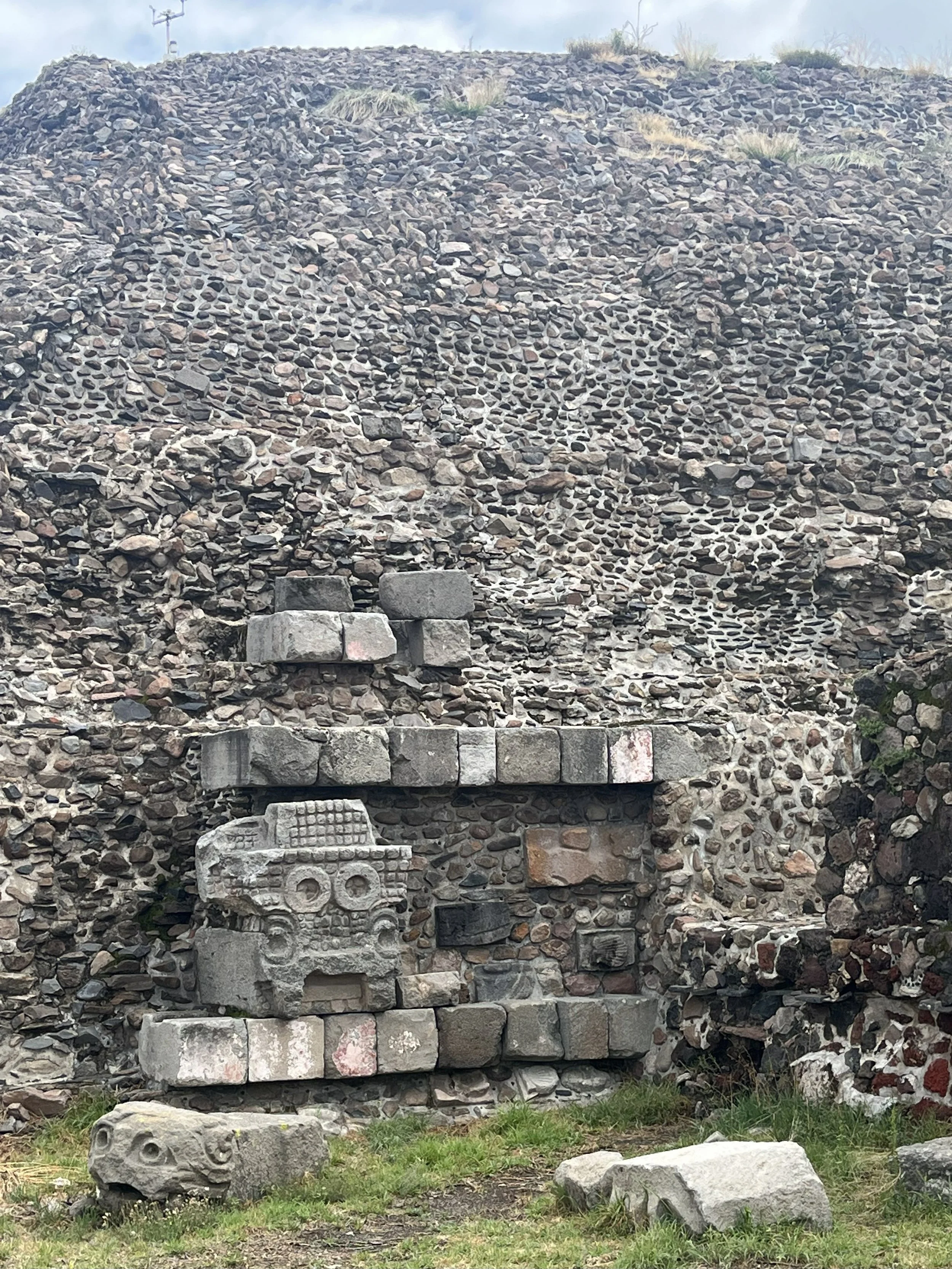
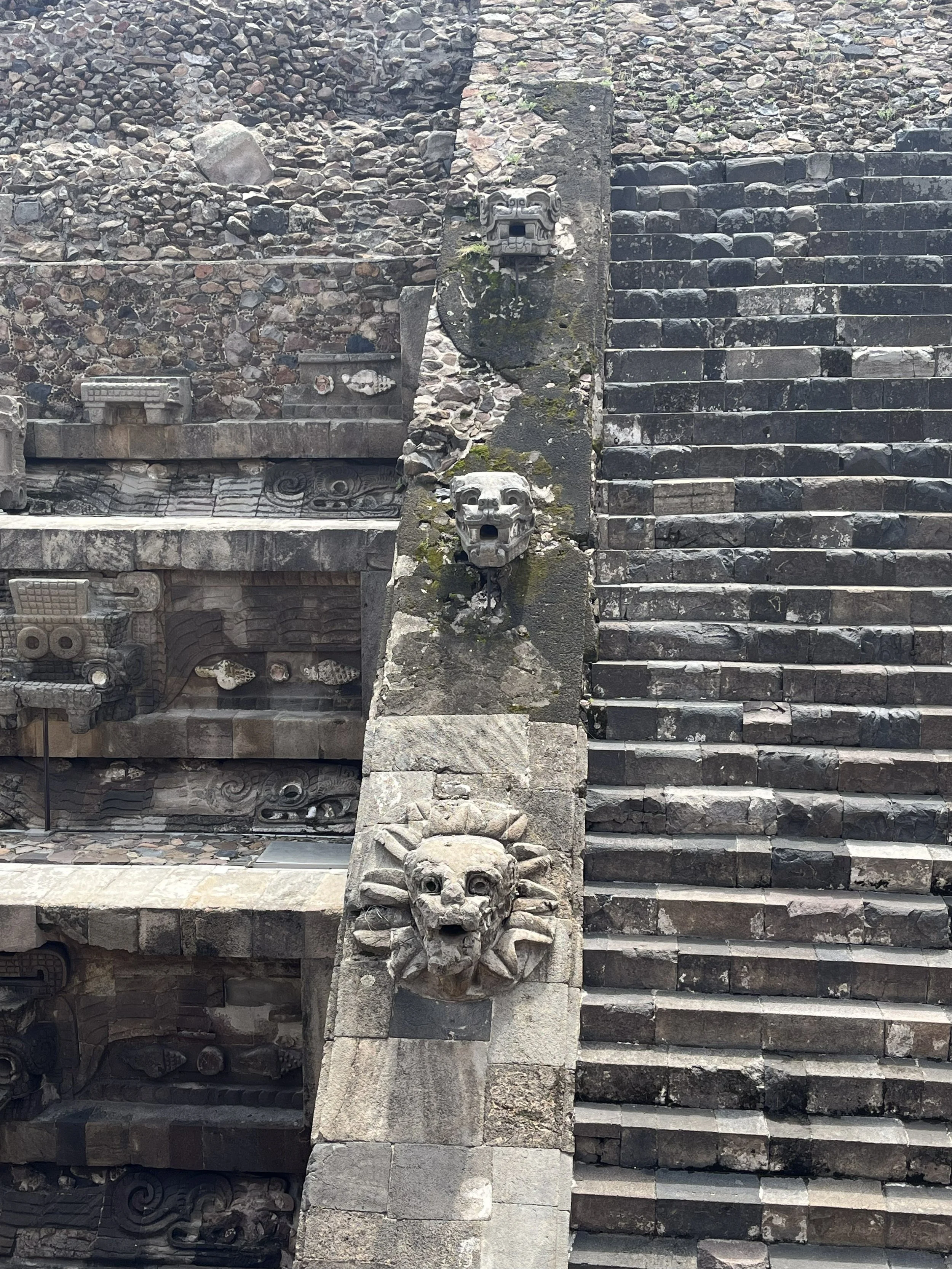
“The Maya ruins were created by the archaeologists and explorers who cleared the forest and, by doing so, allowed the Occidental imagination to conceive of that area as a city built by Amerindians from the past.
Those Western investigators made possible the emergence of a new object of study and of a series of archaeological sites.
The gaze that cleared the landscape to make a city and an object of study emerge is, no doubt, a colonial or neo-colonial one. Because of the way in which the gaze resignifies and therefore appropriates the space where an Other or Others once lived. It appropriates the space in the name of scientific knowledge, a Western concept.
The domestication of a space, used in the past by members of a diffent culture and ignored or revered by their descendants or other indigenous groups, is achieved through the apparatuses and institutions with which Western knowledge operates and prospers. Those apparatuses, institutions, and the desire to produce knowledge about that Other space, are made possible for a simple reason: there is a differential of power, that situates the Western observer in a privileged position vis-à-vis the Other.
In other words, there is a geopolitical situation in which a certain culture or society can impose itself on others so that it can produce knowledge on the latter. This production of knowledge is one- sided, generally disrespectful of the Other’s opinions (which are often dismissed as mere folklore or superstition), and ultimately destined to educate Western subjects about the Others.”
Extract from Invisible at Glance by Gustavo Verdesio